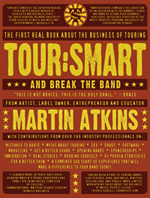
 Martin is a longtime musician (Public Image Ltd, Killing Joke, and Pigface) and a full time lecturer at Columbia College Chicago. He recently penned a book called “Tour Smart and Break the Band†that examines all that is needed to hit the road and have a productive touring experience. You might be thinking, “How hard is touring? You just jump in a van and go!â€Â Well, Martin has a lot to say on the topic, and if you want to use touring to move your music career forward, you’ll definitely want to make sure you are touring smart.
To find out more about Martin and his book, click HERE!


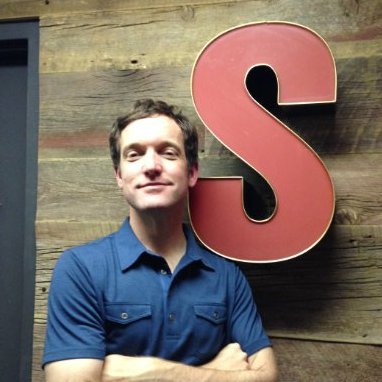


 Kristin Thomson is the Education Director at the Future of Music Coalition, a national nonprofit organization that works to ensure a diverse musical culture where artists flourish, are compensated fairly for their work, and where fans can find the music they want.  The coalition works to lobby lawmakers to ensure that  the voice of the artist community is heard during the legislation process.  At the moment, fair access to radio is one of the top issues they are working.  Kim will guide us through the tangle of legislation that has drastically shaped the radio landscape and acquaint us with the steps her organization is taking to make radio a more open fair medium.
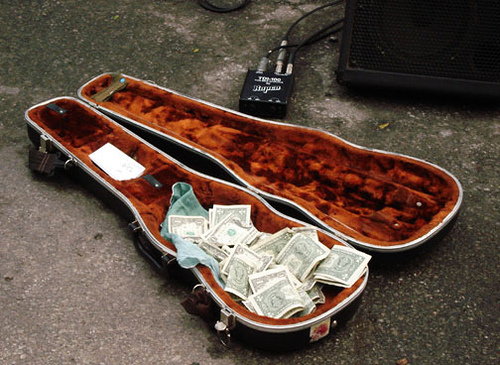 The value of music is undeniable. Music is woven into the fabric of every human culture. The digital age has made more music available for cheaper than ever before. This is an exciting time for music listeners because of the unprecedented variety available. This is an amazing time for musicians because they have access to millions of potential fans through the internet. The flipside to all this availability is decline in monetary value assigned to music. People expect more for less. As a musician, should you find hope or dismay in the state of the industry? The CD Baby Podcasters find both and everything in between in this lively discussion which revolves around last weeks interview with Chris Anderson. Also, our listeners weigh in with good points, agreements and disagreements. Don’t miss this one!
 Giving away music for free: does it help or hinder an artist’s career? There are those who believe that giving away music devalues it and makes it disposable. Others believe that free music is an essential marketing tool that artists can use to expand their reach and build their fan base. Both Schools of thought offer valid points. We’ve invited Chris Anderson, Author of the book FREE: The Future of a Radical Price to discuss his views on the subject. His book explores the way businesses and content creators are using ‘Free’ as a way to expand their reach.  The interview just scratches the surface of the ideas covered in Chris’ book, so I encourage you to check out the book which you can find at the links below, and yes, the audio book version is free.
 A new study confirms watching music videos is still the primary attraction on YouTube. Rock Band for indie artists may be more work than it’s worth. Facebook topples yahoo as being the #2 most popular site in the US. Chris dawns a handlebar mustache. The Bolt thinks he’s discovered a great use for Apple’s upcoming iPad. The podcasters revisit last weeks episode about strategic partnerships for your music. Plus calls and emails from our audience.
 A strategic partnership is a relationship between the artist/band and a company that wants to use music in a way that enhances the products they promote. With all the doom and gloom about the music industry that’s out there, the one big positive that usually gets overshadowed is that music consumption is at an all time high. Businesses, companies, and organizations all recognize that fact, and they’re turning to music to help sell their products. The company gets great music to help their branding, and the artist gets access to a much larger audience. In this episode, you’re going to hear from two different independent artists that used a strategic partnership to help move their music career forward. The first is Steve from the band Hullabaloo and the second is Lisa Lynne, who had an amazing partnership opportunity land in her lap after simply listing her album on CD Baby for sale.  We hope these stories get your creative wheels spinning on new ways you can reach people with your music.
 Heard the Buzz about Google Buzz? How about the case of the disappearing music Blogs on Blogger? The Podcasters discuss these topics, share some stories from their own music adventures and revisit last weeks interview with Brian Mazzaferi from I Fight Dragons. Plus your calls and emails AND a very special offer from CD Baby just for our Podcast listening audience.
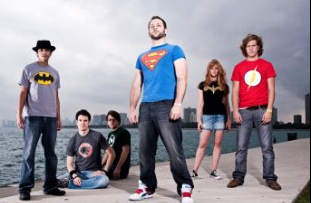 Brian is a member of the Band I Fight Dragons, who after their first year, find themselves signing a major label record deal. What’s interesting is the events that led them to that deal were very focused DIY tactics that built an enormous amount of buzz and started generating consistently strong sales for their music. We’ve talked to numerous solo artists in past episodes that have built a full time career going completely the DIY route, but in Brian’s opinion it’s still tough as a band that might have 4-5 members to generate enough income on their own to sustain a living for that many people with out some sort of larger machine behind them. He highlights that for bands we might still be in a middle area between the old music business models and the models of the future. I think you’ll find Brian’s insights to be thought provoking and possibly a slightly different take on where things are in the industry. Plus he shares some great DIY tips that has helped them make strong connections with the fans.
 In this exciting episode of the DIY Musician Podcast, Bolton gets his very own theme song. That’s right, the world premiere of
 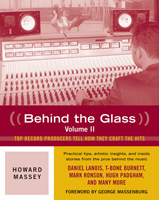 Howard Massey is a recording engineer and producer turned writer and author.  He authored the books Behind the Glass Volume 1 & 2 that chronicles the many hours he spent talking to music producers from all different recording backgrounds.  Investigating how they go about recording and making great albums. People like George Martin, and Daniel Lanois, to name a few. It covers all the inside detail people want to know about the actual process of getting in the studio and creating good music.  Volume one was written almost ten years ago, so it’s interesting to see how the changes in the music industry effect the tone of the conversations.  In the interview, we discuss the role of the producer, what they bring to a recording, and the unique ideas that are are changing the way records are made.
 iTunes and Lala tie the knot and tech blogs are a buzz with the news. What does this mean for the future of digital music? Are we moving into the cloud? Also, 2009’s top ten viral videos are not what you might expect (sadly no monkey that smells his own poop and then falls backwards out of a tree). The Podcasters recap last weeks interview with Ryan States and chat about their holiday music endeavors. Plus your stories, tips, tricks and comments on our listener line. Enjoy this episode with a cup of hot coco. We’ll see you next year!
 As we head into the next decade armed with faster internet connections and more bandwidth, it’s exciting to see the innovative ways artists are starting to collaborate with each other. Entire albums are now being recorded by exchanging files across the web which has allowed incredible access to musicians who were formerly only available if you were in the right town. Ryan States got a job playing keyboard in the circus, which keeps him out on the road constantly, and in years past, many musicians were faced with the decision of whether to stay in town and pursue their own music career, or go out on the road for someone else and get paid.  Even thought Ryan is often in remote locations and makes his home on a train, he’s had some pretty amazing musicians play on his new album, just by exchanging files over the web.  Is this how the album of the future will be made?
 Corey Smith made headlines when his independent music career slowly grew into a multi-million dollar business, selling out large venues normally reserved for those with chart topping hits. No, it was not some sort of internet trickery that built his following, Corey simply toured diligently and worked hard to make honest connections with his audience. As his fan base grew, he stayed focused on building that connection and being intentional with his business decisions.  It’s also important to note that his grass roots success was accomplished without any radio airplay or push from a label.  Lots to learn in this episode, so get ready to take notes!
 We’ve been making our list and checking it twice!  Let the CD Baby Podcasters fill your stockings with indie tips and tricks.  In this episode, Kevin, Chris and Bolton discuss the impending holiday season, and how to best position your music to take advantage of the shopping blitz.  The tips come from CD Baby’s Artist Holiday Planning Guide that you can download
  An interesting study on audio listening habits reveals surprising results. EMI launches
  Josh Rosenthal is a singer-songwriter living in Salt Lake City, Utah. Instead of making those long, costly treks to larger, more established music markets like LA, NYC, and Nashville, Josh spent his time cultivating a dedicated fan base closer to home. He concentrated on the smaller scenes that were within his reach. Armed with a public relations degree, a business plan, drive, and talent, Josh discovered that the most important step to success is building real relationships with his fans. In this podcast, Josh shares a bit of his plan and some of the promotional tools that have helped him win die-hard fans.
 In an unexpected move, Robert changes his on-air name to Bolton. Google throws its hat into the music game. MySpace offers stats for their artist profile pages. Is iTunes LP a real option for indie artists? These questions and topics addressed, plus the Podcasters take on your calls as we dive into the ever changing landscape of indie music online.
 Allison Weiss is a true DIY artist eager to get her music career moving forward, but being a college student makes touring and getting beyond her local scene a challenge.  To keep the dialogue going with her fans, Allison leverages the power of Twitter, Live Stream, and You Tube to communicate with her audience and build an active fan base.  When it came time to fund her most recent recording, she asked her fans for help. Allison encouraged her fans to help finance the recording through an online service called Kickstarter.  The result was overwhelming as Alison reached her goal in only 10 hours! Are fan funded albums the future?
 The guys from Works Progress Administration definitely have plenty of label experience under their belt from all their past projects (Toad the Wet Sprocket, Nickel Creek, Lyle Lovette). With WPA’s debut album, they find themselves doing much of the work on their own after choosing an independent path. The guys recently stopped by the CD Baby offices to record this interview for the Music Discovery Podcast, but since they touched on some of the issues concerning their new career path, we’re posting it here as well for our DIY Musician Podcast listeners.